

New traffic rules bring points system, more road cameras to deter dangerous driving
TDT | Manama
Email: mail@newsofbahrain.com
Zero fatal crashes is the aim behind Decree-Law 30/2025, which the Shura Council passed yesterday, raising traffic penalties and introducing a points system that strips licences from repeat offenders.
The decree-law amends the 2014 Traffic Law.
It increases prison terms and fines as Bahrain tries to curb dangerous driving and repeat breaches.
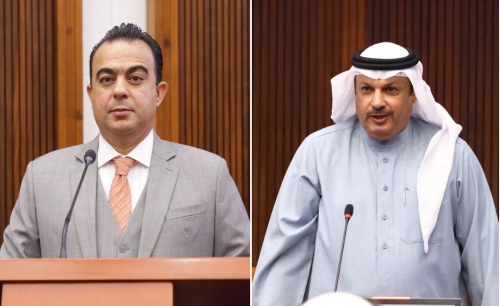
Ali Al Aradi, rapporteur of the Foreign Affairs, Defence and National Security Committee, said the changes update the law to match the growth of the road network and the rise in vehicles and drivers.
He said the tougher rules are meant to cut reckless conduct seen in recent years, including extreme speeding, overtaking in banned spots, driving against the flow of traffic, drink- or drug-driving, using a phone at the wheel, and failing to wear a seat belt.
Second Deputy Chairwoman Dr Jehad Al Fadhel said the amendments respond to deadly road behaviour that has harmed innocent families as well as offenders.
“Our goal is to reach zero fatal accidents,” she told the chamber, asking the General Directorate of Traffic to show the gains from the new law in clear figures once it is in force.
She also asked how dash-cam footage is handled under current rules, and how the law keeps pace with the spread of electric and self-driving cars.
Offenders
The lawmaker suggested that some offenders given alternative penalties should be assigned to units treating crash victims, to deepen moral deterrence.
First Deputy Chairman Jamal Fakhro thanked the Ministry of Interior for moving quickly to change the law after a rise in reckless driving.
“What happened in Bahrain recently is outside the nature of our society,” he said, adding that the ministry set penalties firmly but without inflating fines to unrealistic levels.
Review
He urged other ministries to review their laws regularly so they keep pace with social change.
Rashid Bu Najma, Undersecretary of the Ministry of Interior for Legislative Authority Affairs, said the decree-law was drafted on the back of accident figures and field data, which called for urgent action to curb traffic crimes.
He said early signs point to fewer breaches, but warned against drawing quick conclusions.
“Its effect cannot be studied in three months,” he said, adding that a clearer assessment will come after six months of use, and the Council will be given the results once they are available.
Optional
On dash cams, Bu Najma said fitting them remains optional because they are not a formal safety condition for cars.
“We cannot oblige people to install them because they are not a safety requirement,” he said, noting that recordings can serve as an indicator rather than conclusive proof after review, and that users must respect privacy rules.
He said electric cars fall under the amended law in the same way as petrol vehicles, and that a separate law for self-driving cars is being prepared.
Bu Najma also outlined a wider move towards automated enforcement.
Monitoring
He said 500 extra cameras are planned for traffic monitoring, with a small trial run due in December and about 300 expected to go live in the first months of 2026.
The points system will start alongside that rollout, with each offence carrying a set tally and licences withdrawn once repeat drivers hit the limit.
The Shura Council approved the decree-law and sent it to the Speaker of Parliament to notify the government.
Related Posts