

Bahrain plays pivotal role in shaping modern Gulf art
TDT | Manama
Email: mail@newsofbahrain.com
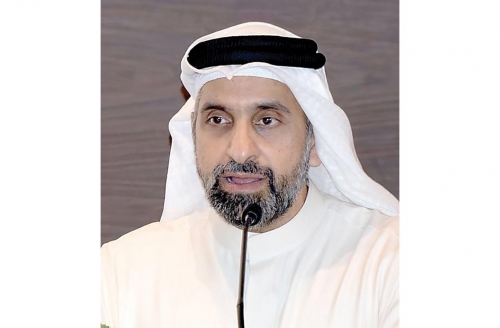
In an evening that celebrated the Gulf ’s artistic heritage and visual identity, researcher and academic Sultan Saud Al-Qasimi has delivered a lecture at the Shaikh Ibrahim bin Mohammed Al Khalifa Center for Culture and Research.
The lecture, titled “The Dawn of Modern Art in the Arabian Gulf: Beginnings and Trends,” positioned Bahrain at the forefront of the region’s modern art narrative.
Al-Qasimi explained that the social and economic transformations triggered by the discovery of oil helped lay the foundations for educational and cultural institutions across the Gulf, ultimately enabling the emergence of a distinct artistic consciousness.
Bahrain, he emphasised, played a central role from the earliest stages of this evolution.
Bahrain as a Gateway to Gulf Artistic Memory According to Al- Qasimi, economic shifts beginning in the 1930s supported the establishment of schools and spaces that—directly or indirectly—allowed art to flourish.
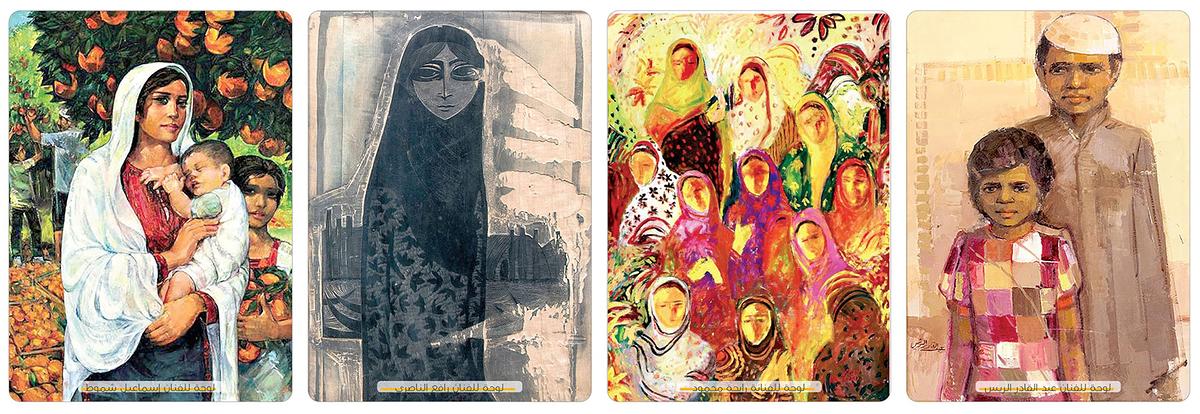
Among Bahrain’s earliest pioneers, he highlighted Abdullah Al-Muharraqi, who first gained recognition at age twelve after winning a drawing competition held for the then-ruler.
Al-Muharraqi was later commissioned by BAPCO to produce paintings for its offices and for official diplomatic gifts, marking an early institutional embrace of art in the Kingdom.
This experience, Al-Qasimi noted, became an entry point for a generation of Bahraini artists whose work expressed a growing national and cultural awareness.
Notable work He cited Al-Muharraqi’s notable 1992 work, “The Civilizational Dimension of the GCC States,” housed at the GCC General Secretariat in Riyadh.
The piece integrates maritime symbols — such as the sea, diving, and pearl-making—with modern urban landmarks and communication networks, offering a unified visual narrative that bridges heritage with rapid contemporary transformation.
zczc
Related Posts