

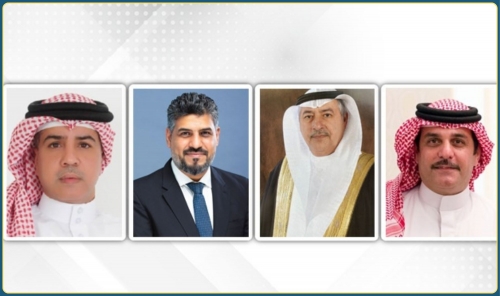
Bahrain Sets Model for Coexistence and Human Dignity
As the world commemorates the International Day for Tolerance on November 16, prominent intellectual and community figures affirmed that the Kingdom of Bahrain, under the leadership of His Majesty King Hamad bin Isa Al Khalifa, has established a global model for promoting coexistence, dialogue, and openness. They emphasized that Bahrain’s national framework safeguards human dignity and embraces cultural and religious diversity as pillars of strength and stability within society.
In exclusive statements to the Bahrain News Agency (BNA), the speakers highlighted Bahrain’s long-standing history of tolerance, practiced today through strong community cooperation, social cohesion, and a deeply rooted culture of mutual respect—qualities that have earned the Kingdom widespread international recognition.
Bahrain’s Legislative Voice: A Model of Harmony
MP Mahmood Mirza Ferdan, member of the Parliamentary Committee on Legislative and Legal Affairs, stated that Bahrain continues to present a leading example of tolerance under the prosperous era of His Majesty the King. He noted that HM the King’s humanitarian vision has resulted in local, regional, and global initiatives that foster peace, harmony, and understanding among peoples and religions.
Ferdan also praised the efforts of the government, led by His Royal Highness Prince Salman bin Hamad Al Khalifa, the Crown Prince and Prime Minister, for strengthening Bahrain’s international standing through strategic plans aligned with sustainable development goals and the promotion of unity, coexistence, and tolerance across society.
Civil Society Leaders Highlight the Kingdom’s Vision
Yousif Buzaboon, Chairman of the Bahrain Association for Religious Tolerance and Coexistence (Ta’ayush), said that HM the King’s vision has laid the foundation for a diverse, open, and inclusive society. He highlighted the King Hamad Global Centre for Peaceful Coexistence as one of the Kingdom’s pioneering initiatives that advanced Bahrain’s reputation as a leading promoter of interfaith dialogue globally.
Buzaboon added that Bahrain’s achievements in human rights, justice, and equal citizenship reflect a progressive royal vision that has transformed the Kingdom into a regional and international beacon of tolerance. The association, he noted, continues to support this vision through programs aimed at instilling tolerance in younger generations and showcasing Bahrain’s distinguished experience.
Academic Perspective: Tolerance as a Cornerstone of Civil Society
Dr. Bader Mohamed Adel, Associate Professor of Public Law at the University of Bahrain, stressed that the United Nations’ adoption of November 16 as the International Day for Tolerance underscores the global need for peace and respect for human dignity regardless of belief or culture. He emphasized that tolerance is essential for building advanced civil societies grounded in pluralism and mutual respect.
Dr. Adel affirmed that Bahrain, guided by HM the King and supported by HRH the Crown Prince and Prime Minister, has made significant progress in institutionalizing a culture of coexistence through comprehensive strategies, policies, and initiatives centered on human dignity and equality.
Religious Scholars: Tolerance as an Ethical and Spiritual Value
Dr. Mohammed Jassim Zaman, Imam of Umm Al-Mu'mineen Aisha Mosque, emphasized that Islam is founded on mercy and tolerance—principles embodied in the life of Prophet Muhammad (PBUH). He cited several examples from the Prophet’s biography that highlight forgiveness and compassion, including the events of Taif and the conquest of Makkah.
He noted that these examples are practical applications of the Qur’anic teachings that encourage kindness and forgiveness, stressing that tolerance is a moral strength that promotes peace and societal harmony.
Islamic preacher Sheikh Mohammed Ali Al-Hathiya added that Islamic teachings place great emphasis on noble character, with tolerance being one of its most important virtues. He pointed to the Qur’anic verse “And to forego is nearer to righteousness…” as a reminder of the value of forgiveness in nurturing social unity and strong human relations.
Representatives of Other Faiths Praise Bahrain’s Model
Dr. Badea Jaberi, President of the Baha’i Social Society, said the International Day for Tolerance offers an opportunity to reaffirm the importance of this value in building cohesive human societies. He highlighted Bahrain’s advanced model of religious and cultural coexistence, strengthened by HM the King’s reform project and support for religious freedoms.
He underscored the significance of the Bahrain Declaration for Religious Tolerance, describing it as a national document that reflects the Kingdom’s commitment to dialogue, diversity, and mutual respect.
Reverend Hani Aziz, Pastor of the National Evangelical Church and President of the White Flags Society, emphasized that tolerance is a deeply rooted value within Bahrain’s national identity. He noted that the Kingdom’s open and welcoming society has long embraced people of diverse faiths and cultures, allowing them to live in harmony.
Reverend Aziz added that Bahrain’s leadership has positioned the country as a regional and international advocate of peace and coexistence, especially through HM the King’s reform project, which ensures religious freedom as a cornerstone of national unity.
Related Posts