

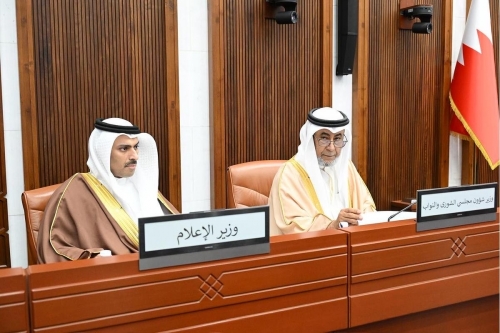
Shura Council unanimously approves new law scrapping jail terms for publishing offences
TDT | Manama
Email: mail@Newsofbahrain.com
The Shura Council voted unanimously yesterday to approve a new Press Law that scraps prison terms for publishing offences, licenses professional electronic media and gives existing outlets six months to comply. Fines of up to BD10,000 will replace jail. Both chambers have backed the text; royal ratification is the next step, after which implementing arrangements will follow. “No jail for journalists, with full backing for responsible electronic media.
This is a law of press freedom,” said Second Deputy Chair Dr Jihad Al Fadhel. During debate, members drew a line between electronic media and social networks, argued for updating the law’s title to match the sector and pointed to the financial strain on print. Others pressed for independent licensing review, intellectual-property protections and GCC comparisons, while several backed wider ministerial leeway for regulating fast-changing online outlets alongside court oversight to keep a high ceiling with clear safeguards.
“Electronic media is not the same as social media and often sits beyond national jurisdiction; we must distinguish the two,” said Shura member Dr Mohammed Ali Al Khuzai. “Renaming the law puts it in the right frame. We cannot treat a changing sector with rigid, dated statutes,” said Shura member Dr Bassam Al Bin Mohammed.
Pressures
He added that today’s revenue squeeze on print and the speed of digital outlets demand a legislative base that helps journalists meet those pressures.
“Using “accountability” rather than “discipline” in sanctions reflects a reform-minded approach, and the law should also carry firm guarantees for press intellectual-property rights.” “Were these changes shaped by His Majesty’s call for a modern, enlightened press law? The text must balance responsible freedom with practical flexibility for electronic media,” said Shura member Ali Al Aradi, who also urged more room for the Information Ministry to set procedures for online platforms.
Review
“As a GCC bloc, we should review comparative texts and how neighbours handle similar laws,’ said Shura member Hamad Al Nuaimi. “Bahrain’s press is nationally minded and its institutions are the trusted source in an age of AI-generated content.
Free expression is a means, not an end, and should serve the public interest,” said Shura member Dr Ali Al Rumaihi. Recalling Bahrain’s press tradition, Shura member Dalal Al Zayed noted regulatory roots going back to the 1930s and said the key safeguard is judicial oversight of any primary or supplementary penalties, along with routes to challenge administrative decisions.
“The ceiling should be high, with clear bounds, and journalists also exercise self-restraint,’ she said.
Suspension
Courts may suspend newspapers or block websites during investigations where content is deemed to threaten national security or public order, and the Information Ministry, working with the Ministry of Foreign Affairs, may direct outlets not to publish material issued by foreign governments. Print and online outlets must carry official notices on sovereignty, defence, security or health if received in time for release.
Related Posts