

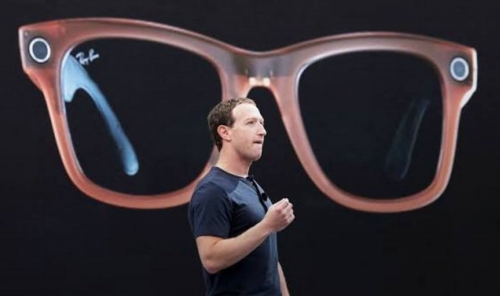
Europe Faces Smart Glasses Privacy Backlash
Secret recordings fuel calls for tighter rules as AI-powered glasses gain popularity across Europe.
Growing concerns over privacy are prompting calls for tighter controls on smart glasses in Europe after secretly recorded footage of women and girls appeared online.
A petition in Britain is calling for a ban on the sale of the devices, which can capture photos and videos, make calls, play music, translate text and interact with AI assistants.
Smart glasses have gained momentum as technology companies look beyond smartphones for the next major wearable device. Meta’s glasses, developed with Ray-Ban maker EssilorLuxottica, have performed strongly, with the company selling around seven million pairs in 2025, compared with two million combined in 2023 and 2024.
The technology attracted further attention following Meta’s marketing partnership with Kylie Jenner.
However, the rapid growth has been accompanied by privacy concerns, particularly over covert recording and the potential use of facial recognition. In August, a 17-year-old British girl told Channel 4 News that a man had secretly recorded her during an encounter.
Meta said it had introduced measures to prevent users from disabling the devices’ recording indicator light, adding that companies offering to modify the feature had shut down.
In Oslo, authorities this week banned smart glasses in schools as Norway considers broader regulation, including possible restrictions on facial-recognition features in public.
Calls for EU-wide action are also growing. Slovak MEP Veronika Cifrova Ostrihonova has asked the European Commission to examine whether the glasses comply with data protection and AI regulations.
The European Data Protection Board has commissioned a report on the technology’s “social acceptability”, expected later this year.
Related Posts