

The Forgotten Superhero of Our Meals
Winter is here, and with it comes the inevitable strep throats, sniffles, and flu. On days like these, we instinctively turn to the food that feels closest to our hearts. For some, it is a simple plate of rice and dhal; for others, a warm bowl of soup, or even just plain bread and jam - whatever keeps us smiling, cozy, and feeling a little better. There is no anxiety, no checking labels, no second-guessing; our body simply knows what it wants. The food is comfort, nourishment, and a quiet companion in our little moments of care.
And yet, on such days, a small question often creeps in and makes you pause: when did eating become so complicated? When did our meals stop being about joy and instinct, and start being about scrutiny, labels, and endless lists of “must-haves”? It makes you wonder: somewhere along the line, when did food, our oldest friend, become something we overthink instead of savor?
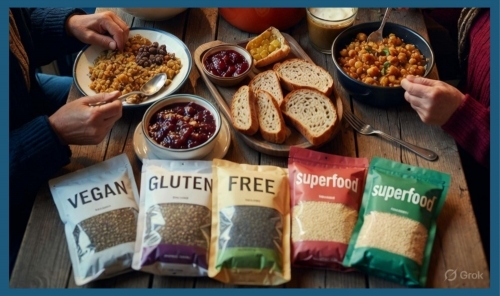
There was a time when food meant fresh from the garden or local, seasonal and wild from the land. Today, it means vegan, gluten-free, dairy-free, non-GMO. How did something that once connected us to nature become something we now navigate like a minefield? In short, when did food become our enemy?
Today, food stands trial at every meal. Each bite demands proof of innocence. We approach food with suspicion, checking the backstory of everything we eat. In a single generation, our oldest ally has turned into a supposed adversary, blamed for thickening arteries, weakening immunity, and compromising our health.
In earlier times, health was simple - it meant a happy gut and a satisfied tummy. A “proper meal” included everything the body needed, and home-cooked food was, by definition, good food. We ate when we were hungry and stopped when we were full — more or less. No one measured portions, recipes weren’t exact, and concepts like calories, glycaemic index, or the unforgiving Body Mass Index didn’t feature in everyday life. Health was an ideal, but a relaxed one — comfortable with approximation. Most of us were generally well; now and then, the body’s balance shifted and simply needed to be restored. Illness was an exception, but it was accepted as part of living.
And yet somewhere along the way, sugar - yes, the same sugar that sweetened our childhood, our tea, and every festival ever has been recast as a full-time villain. At this point, sugar isn’t an ingredient; it’s a plot twist.
Not to forget the new pressure to add protein to every meal. And as though protein weren’t enough, we’re now urged to add more fibre, fit in five servings of fruits and vegetables, and follow an endless list of nutritional commandments. Rice - our longtime, gentle gut companion is suddenly being replaced by millets and quinoa. Everything comes in multiple choices now — bread is no longer simply freshly baked, but sourdough, millet-based, multigrain, and more.
And then there are the new heroes of the food market: superfoods like chia seeds, flax seeds, blueberries, and avocados, each promised to transform your health one bite at a time. Are they all bad? Not at all. The problem arises when there is mounting pressure to incorporate all of them into our daily diets, turning what should be nourishment into anxiety. Some days, it feels like we spend more time planning and reading labels than actually enjoying our meal.
Luckily, we are beginning to see a shift in this mindset. A new generation of doctors and nutritionists is advocating a return to simple, sensible eating — trusting tradition, trusting time, and remembering that food isn’t an external threat but the very substance that shapes our bodies, nourishes our emotions, and grounds our culture. Meals can still be delicious, messy, imperfect, and joyful — and that’s okay.
In the end, moderation is still the quiet hero - the real superfood - never trending, never shouted about, yet always right. Maybe the real secret to healthy living isn’t kale, quinoa, or chia seeds; it’s a plate that makes you smile, a meal shared with loved ones, and the simple joy of eating without fear.
Related Posts