

Oil at $98 – and the world is strangely calm
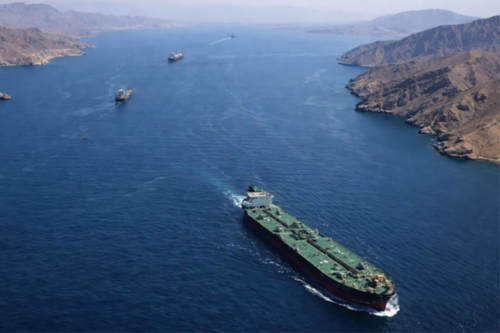
The Strait of Hormuz has been effectively closed for three months.
AFP
So why aren’t oil markets in panic mode?
The world is living through one of its biggest oil supply shocks in decades — and yet, the market is barely flinching. Since March 4, 2026, Iranian forces have declared the Strait of Hormuz “closed,” threatening and carrying out attacks on ships attempting to pass through the waterway. Yet Brent crude, while elevated, remains within the range of the past two decades.
The Strait of Hormuz is the world’s most critical oil chokepoint, handling roughly 20% of global oil consumption — around 18 to 21 million barrels per day. A prolonged disruption here doesn’t just rattle markets — it reshapes them.
The Trump Factor
Despite the crisis, oil prices have stayed surprisingly anchored. U.S. President Donald Trump’s repeated claims that a deal with Iran is “imminent” have helped dampen panic. Markets are pricing in hope — not reality. There is little evidence Washington and Tehran are genuinely close to any agreement, as strikes continue across the region.
What Could Happen Next?
Analysts estimate any serious Iranian move to close the Strait could send prices to $100 per barrel. ING goes further, warning of $140 in an extreme scenario of significant and extended supply disruption.
Related Posts