

How Bahrain is rethinking patient recovery
TDT | Manama
Email : editor@newsofbahrain.com
Bahrain’s healthcare system is set to undergo a quiet but structural shift with the launch of the Kingdom’s first post-acute rehabilitation facility, designed to move patients out of acute hospitals and into specialised long-term recovery care.
Amana Healthcare Bahrain will cater to adult patients currently occupying beds at major government hospitals, including Salmaniya Medical Complex, the Bahrain Defence Force Hospital and King Hamad University Hospital, addressing a gap that has not previously existed in the local healthcare system.
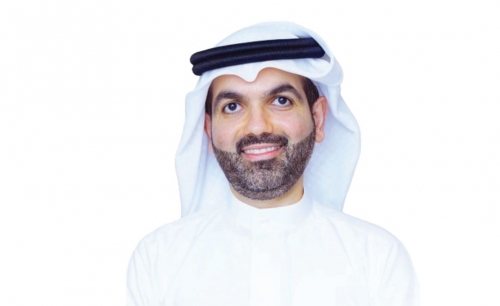
“The Amana Healthcare facility is going to be the country’s very first post-acute rehabilitation facility,” said Dr Mohamed AlSaati, Chief Strategy & Transformation Officer, M42 Global Patient Care and Chief Executive Officer of Amana Healthcare Bahrain. “These patients require extended clinical care, and instead of keeping them in the acute hospital, we are able to shift them from those facilities into the Amana healthcare facility.”
By enabling patients who no longer need acute intervention to continue their recovery elsewhere, the facility is expected to ease pressure on government hospitals while improving continuity of care for patients requiring longer clinical support.
Patient pathways
Dr AlSaati explained that the Bahrain facility will focus exclusively on adult patients and will initially serve three distinct groups.
“The adults that we are looking at fall into three different types of patients,” he said. “These include patients who come from the ICU and require ventilation support, those who have been in hospital for a very long period of time and need to continue receiving medical care within a hospital setting, and those who require intensive inpatient rehabilitation, typically stroke patients or those who have undergone an orthopaedic procedure.”
The model is intended to ensure that recovery continues within a clinical environment tailored specifically to rehabilitation rather than acute treatment.
Technology integration
Technology will play a central role in how care is delivered at the new facility, with digital systems embedded into everyday clinical practice.
“We need to embed AI, technology and digital tools within the care delivery system,” Dr AlSaati said. “We are going to have an integrated electronic medical record system, and we are also deploying AI technology to save clinicians time from having to prescribe or document clinical notes.”
He added that the system is designed to automatically capture physician-patient conversations and integrate them directly into the electronic medical records, reducing administrative workload and allowing clinicians to spend more time on patient care.
Measuring success
Rather than focusing solely on capacity, Amana Healthcare plans to define success through patient outcomes and interna - tional benchmarks.
“We will start to capture all of the clinical outcomes, whether that is recovery times, complications or risks,” Dr AlSaati said. “Because what we are serving here are the patients, we need to make sure that the outcomes we are achieving are on par not with local standards, but with international standards.”
The facility is expected to begin accepting patients in December, initially on a limited scale, before expanding operations early next year.
Building local talent
While Amana is bringing expertise from its operations in Abu Dhabi, Dr AlSaati said the long-term goal is to develop Bahraini healthcare professionals and administrators within the organisation.
“Ultimately, our goal is to nurture as much Bahraini talent in this institution as possible,” he said. “Because this type of service does not currently exist in the market, we are bringing expertise from Abu Dhabi, and those colleagues will be heavily involved in training the next generation of healthcare talent.”
Over time, he said, the facility expects an increasing proportion of both clinical and administrative roles to be filled by Bahraini nationals.
Regional vision
Amana Healthcare operates more than 600 beds across facilities in Abu Dhabi, while the Bahrain facility will initially have 100 beds, with plans to expand further after operations stabilise.
“The global need for post-acute care is exponentially growing,” Dr AlSaati said. “Bahrain will be 100 beds, and we are looking to expand that further, and potentially take this distinctive clinical service to other markets, including Saudi Arabia and Kuwait.”
For Bahrain, the facility marks a shift in how recovery is managed, moving patients beyond acute treatment and into structured, technology-enabled rehabilitation designed to improve outcomes while freeing up critical hospital capacity.
Related Posts