

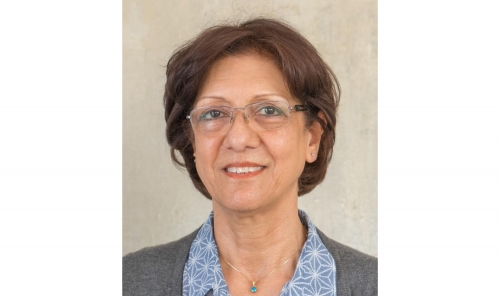
Bahrain Says Farewell to Art Pioneer Balqees Fakhro
Fakhro leaves behind a career spanning nearly five decades, during which she combined painting with art writing, criticism, teaching and research into the history and development of visual art.
Born in 1950, Fakhro developed her early artistic awareness in a family environment surrounded by books and intellectual influences. She studied philosophy and psychology in Lebanon before moving to the United States, where she pursued her passion for art and graduated in 1975 with studies in painting and art history in San Francisco.
She returned to Bahrain in 1975 at a time when the country’s visual arts scene was beginning to expand and embrace new artistic approaches.
Her first major participation came in 1976, when she took part in the Bahrain Annual Fine Arts Exhibition with an impressionist painting that earned an honorary award. After a period away from the art scene, she returned in the 1980s as Bahrain’s artistic movement was gaining momentum through artists returning from studies abroad and exposure to different schools of art.
Throughout her career, Fakhro participated in exhibitions in Bahrain and abroad. Her work was displayed in cities including Damascus, Amman, Cairo, Tunis, Madrid, Bonn, Istanbul and New York. Her painting “City” was also selected for the poster of an annual symposium at Georgetown University’s Center for Contemporary Arab Studies in Washington.
She received several awards during her career, including the Golden Palm Award at the Kuwait Biennale and the Al-Danah Award at the 27th Bahrain Annual Fine Arts Exhibition. She also worked as a professor of fine arts at the University of Bahrain.
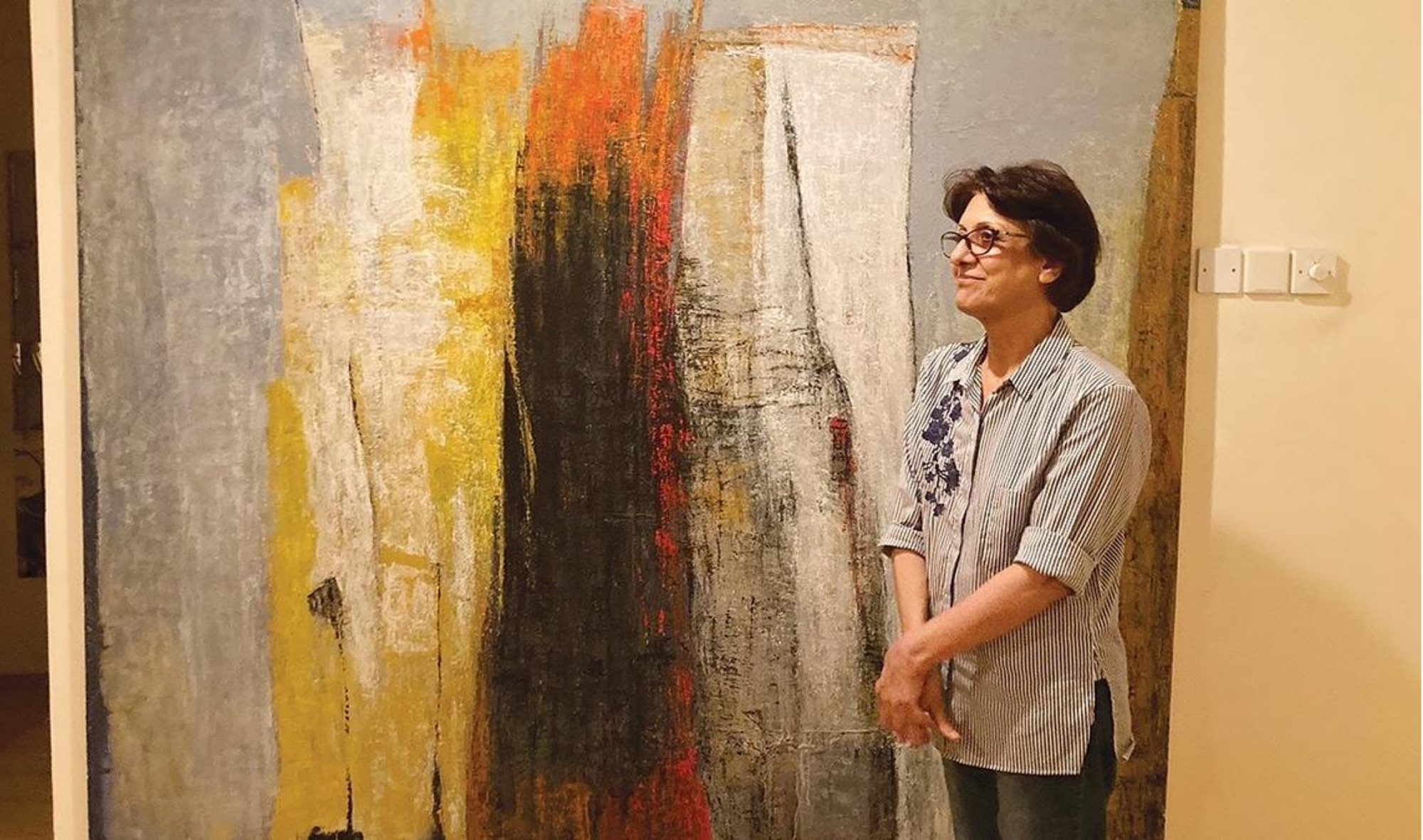
Abstraction became central to Fakhro’s artistic practice. She described her paintings as “visual music,” focusing on the essence of forms rather than their detailed representation.
Her works explored composition, mass and space, light and shadow, and the relationship between colours and forms. Her artistic language gradually developed into a distinctive approach that left space for viewers to interpret the paintings according to their own memories, experiences and cultural backgrounds.
Fakhro also wrote about Bahrain’s visual arts history and viewed its development through different generations, from early self-taught artists to artists who returned after studying abroad and later generations who introduced new approaches and techniques.
Her passing marks the loss of a significant voice in Bahrain’s modern visual arts movement. Her paintings, writings and contributions to art education and criticism remain part of the Kingdom’s cultural and artistic record.
Related Posts