

Housing Distribution Gathers Pace
Infrastructure readiness reaches 50% as projects advance
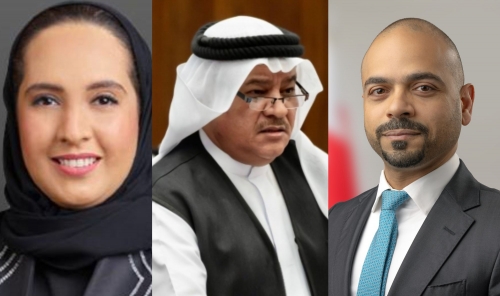
Parliament reviewed housing demand and allocation progress during its twenty-sixth ordinary session, where officials provided updated figures on applications and ongoing support programmes. Housing and Urban Planning Minister Amna Al Romaihi informed lawmakers that 835 applications have been registered under a priority category covering divorced, widowed, and other eligible women, with 77 allocations completed so far through official housing draws.
The update came in response to a parliamentary question from MP Khalid Saleh Buanaq regarding the current status of housing demand and distribution. The minister outlined that applicants are offered several housing options, including apartments supported by a BD13,000 non-refundable grant, as well as financing schemes combining a BD10,000 grant with a BD70,000 loan, with the government covering associated costs for eligible beneficiaries.
She also noted that housing plots linked to a BD40,000 loan are being provided; allocation depends on the completion of infrastructure works in designated areas. According to the minister, infrastructure readiness currently stands at around 50%, a milestone that is enabling further allocations and allowing beneficiaries to move forward with construction planning.
She added that several plots have already been handed over and are now occupied, while additional developments are underway following the awarding of infrastructure contracts. The pace of distribution is expected to increase as ongoing projects progress in coordination with applicants. Temporary housing solutions have also been made available for eligible groups, with units provided in areas including Al Lawzi and Hamad Town.
Concerns over long-pending housing applications
Bahrain’s housing backlog took centre stage in Parliament, as officials revealed that hundreds of families in Muharraq have been waiting decades for homes. Lawmakers were told that 746 housing applications remain pending in one constituency alone, with some dating back to as early as 2001.
The figures underscored the prolonged nature of the issue, with many families still awaiting permanent housing solutions after years of uncertainty. MP Mohammed Jassim Al Alaiwi said the discussion was not about placing blame, but about understanding the depth of a challenge that has built up over time. He acknowledged the efforts of Housing and Urban Planning Minister Amna Al Romaihi and ministry staff, noting the long-standing responsibilities carried by key service sectors.
He added that MPs play a role in reflecting citizens’ concerns while supporting practical solutions to address the backlog. In response, Minister Al Romaihi outlined measures to address older applications, particularly those submitted in 2004 and earlier. These include financial support packages of BD70,000, land allocation tied to infrastructure readiness, and alternative housing options. A dedicated committee continues to review humanitarian cases, and citizens are also received directly to explore suitable solutions based on their circumstances.
Two reports pulled from Parliament
Parliament withdrew two proposed legislative amendments from discussion following a formal request by the government during its twenty-sixth ordinary session.
The decision covers amendments to the private sector labour law and the law regulating civil society organisations; both reports were set aside according to parliamentary procedures to allow for further review. Osama bin Saleh Al Alawi ,Social Development Minister explained that the proposed changes are designed to strike a balance between strengthening governance and ensuring the continuity of civil society organisations. Under the amendments, responsibility for violations would be limited to the individuals involved rather than the organisation as a whole, allowing entities to continue operating.
Related Posts