

Social Media Algorithms: Are They Turning Us Against One Another?
Social media algorithms are not neutral. They learn what attracts our attention and then feed us more of it.
The author's views are his alone, and not of this newspaper, or of the organisations he works for, or those he is associated with.

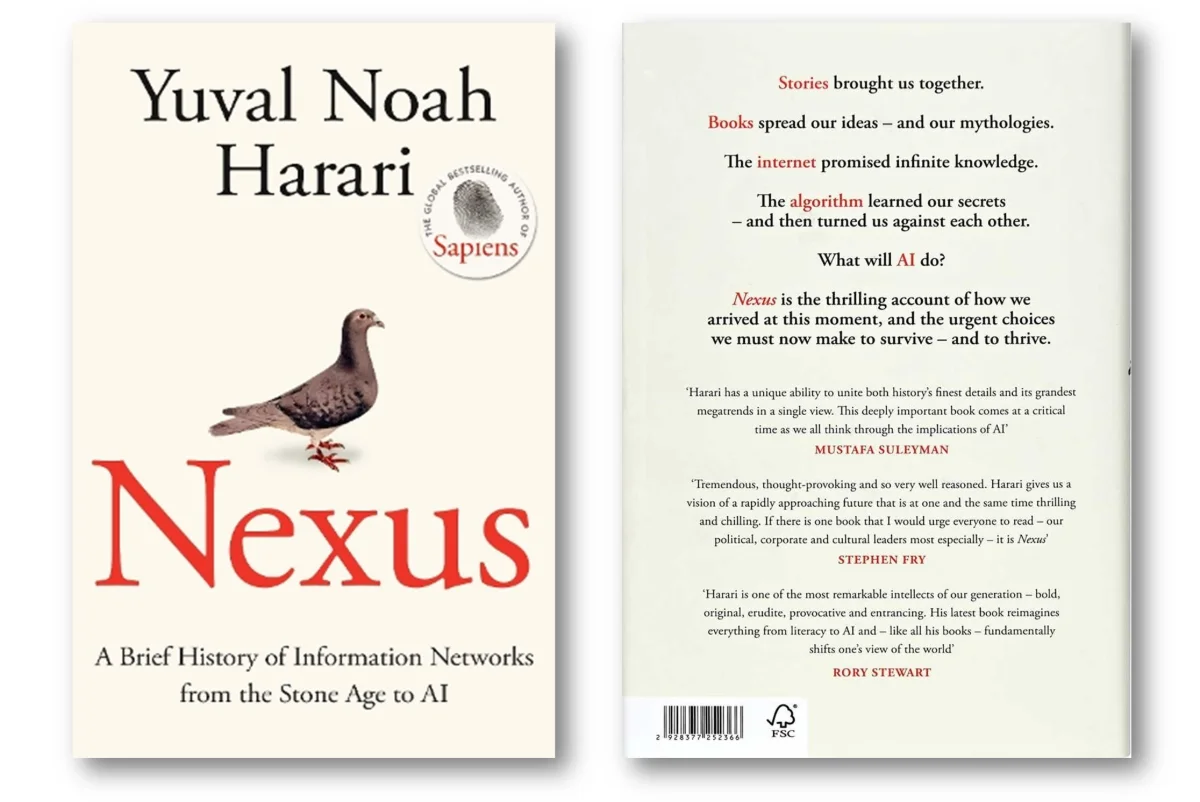
"Stories brought us together. Books spread our ideas and mythologies. The Internet promised infinite knowledge. The algorithm learned our secrets and then turned us against one another. What will AI do?”
These words appear on the blurb of Yuval Noah Harari’s 2024 book, Nexus: A Brief History of Information Networks from the Stone Age to AI. And these words should make us stop and think.
The business model of social media is simple: user engagement.
The more time we spend on a platform — liking, sharing, commenting and watching — the more valuable it becomes to advertisers. So algorithms are designed to keep us engaged for as long as possible.
And this is where the danger begins.
Social media algorithms are not neutral. They learn what attracts our attention and then feed us more of it. Content that creates strong emotional reactions — anger, fear, outrage or excitement — often generates more engagement.
Every like, share, search, click and even the amount of time we spend looking at something provides information about us. Over time, these actions create a remarkably detailed picture of our interests and behaviour.
The algorithm then uses that information to decide what we see next, supposedly to make our experience “more relevant”.
But relevance can become a trap.
If we repeatedly engage with content that confirms our opinions, the algorithm can give us more of the same. We begin living inside an information bubble where our views appear to be shared by everyone.
Those who disagree with us can then begin to appear unreasonable, ignorant or even dangerous.

Technology designed to connect us can, ironically, end up dividing us.
I watched the Netflix documentary The Social Dilemma a few years ago and wrote about this disturbing, emerging reality. The Cambridge Analytica scandal subsequently showed us how personal Facebook data could be harvested and used to create psychological profiles and target people with personalised political messages.
During Donald Trump’s 2016 presidential campaign, voter data was also used to identify particular groups and tailor digital messages to them, according to WIRED and NPR. Some claims about psychological profiling being used specifically to suppress turnout remain disputed, but the episode demonstrated the growing power of data-driven political targeting.
As BBC technology reporter Nicholas Barrett wrote, in 2024, social media has moved from primarily showing us content from accounts we chose to follow, to algorithms deciding what we are most likely to engage with.
That is the real concern. We are no longer simply choosing what to see. Increasingly, machines are choosing what to show us.
This is why society needs safeguards.
Social-media companies should be required to explain how their algorithms or recommendation systems work, give users meaningful control over feeds, and allow independent audits of their effects. Users should also have the option of receiving chronological or non-personalised feeds.
This is not about stopping technology. It's about ensuring that technology serves society rather than making society captive in its grip.
The future is already here. Artificial intelligence will make these systems even more powerful.
So, the question is no longer whether algorithms will influence what we see and think.
They already do.
The question is whether we will demand enough transparency, accountability and oversight to ensure that technology designed to connect us does not ultimately turn us against one another.
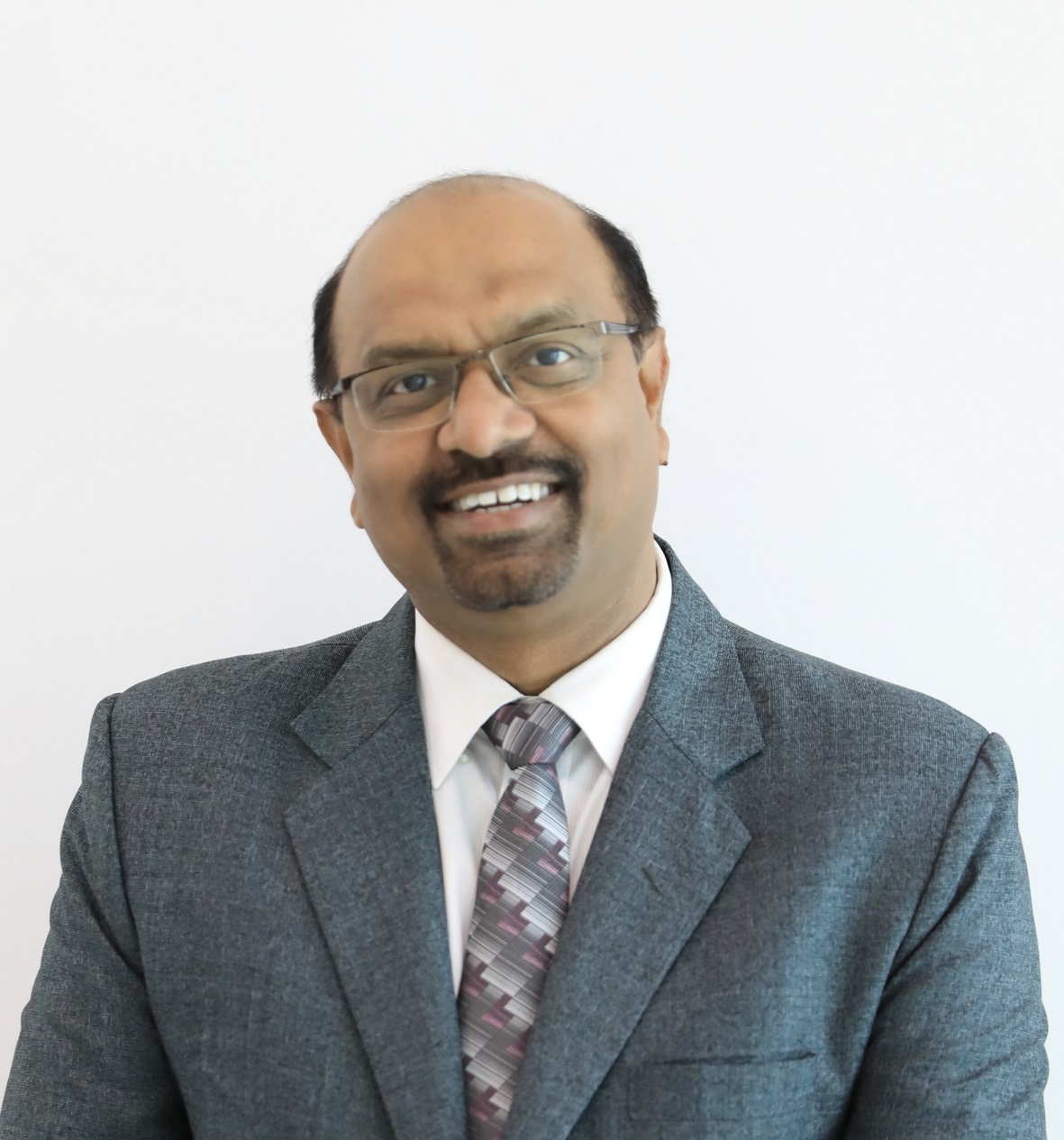
Joel Indrupati
Communications Professional and a Contributing Columnist
Joel Indrupati has been in the field of education, training, marketing and management, for 32 years, in India and Bahrain.
Blending a career in academic and corporate worlds - he was a general manager in two companies and a lecturer in three universities.
His current role as Corporate Communications Director for a private non-profit healthcare organization, with a 120-year legacy, keeps him busy. But as someone who enjoys writing, on varied topics, he finds time for his writing pursuit.
He has an MBA in Marketing and a Post Graduate Diploma in Industrial Relations and Personnel Management, and he is also a Fellow of Higher Education Academy, UK. He is also a Certified Digital Marketing Professional from Digital Marketing Institute, UK, and Microsoft Certified Educator, from Microsoft, USA.